
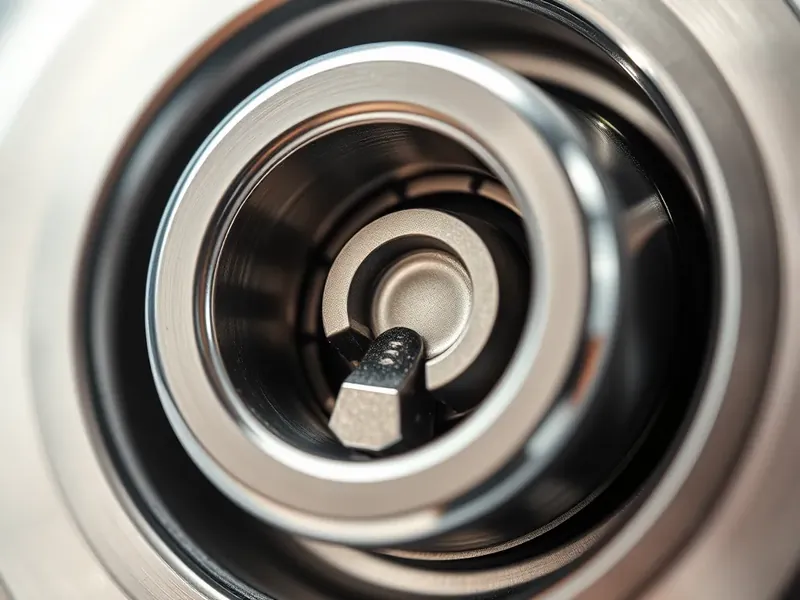
US Locksmith is a licensed (Lic #00443LK) locksmith company serving all of South Florida since 2004. A lock cylinder is the core mechanism inside every pin-and-tumbler lock; the part that accepts your key and decides whether the door opens or stays shut. Understanding how it works helps South Florida homeowners and business owners make smarter decisions about lock security, replacement, and upgrades.
What Exactly Is a Lock Cylinder?
A lock cylinder is the internal assembly within a lock that contains the keyway, pins, and springs. When you insert the correct key, the pins align at the shear line, allowing the cylinder plug to rotate and operate the lock. Without the right key, the pins block rotation and the lock stays secure. This simple but effective mechanism is the foundation of residential, commercial, and automotive locks worldwide.
What Are the Main Parts of a Lock Cylinder?
Every lock cylinder consists of three primary components that work together to control access. Knowing these parts helps you understand why locks fail and when they need professional attention.
- Keyway. The shaped opening where the key slides in. Each lock brand uses a distinct keyway profile, which is why a Kwikset key does not fit a Schlage lock
- Pins and springs: small metal pins of varying heights sit inside the cylinder. Springs push them down. When the correct key lifts each pin to the exact shear line, the plug turns freely
- Cylinder shell (housing), the outer casing that holds everything together and mounts into the lock body. It protects the internal components from tampering and weather
What Types of Lock Cylinders Are Used in Homes?
South Florida homes typically use one of three cylinder types. Standard pin-tumbler cylinders are found on most residential deadbolts and knob locks. They are affordable, widely available, and easy to rekey. High-security cylinders from brands like Medeco and Mul-T-Lock add features such as restricted keyways, pick-resistant pins, and drill-resistant housings. Electronic or smart lock cylinders replace or supplement the traditional keyway with keypads, fingerprint readers, or Bluetooth connectivity.
When Should You Replace a Lock Cylinder?
Replace the cylinder, not necessarily the entire lock, when the key sticks or turns roughly, you see visible rust or corrosion on the plug face, the lock was involved in a break-in attempt, or you have moved into a new home and want fresh keys. A locksmith in Palm Beach can often swap just the cylinder in under 15 minutes, saving the cost of a full lock replacement.
How Does a Locksmith Work with Lock Cylinders?
Professional locksmiths handle lock cylinders daily. The most common services include rekeying (swapping the pins so a new key works while the old one does not), cylinder replacement (installing a new cylinder into existing lock hardware), key extraction (removing a broken key fragment stuck inside the cylinder), and lock upgrades (replacing a standard cylinder with a high-security model). Each service targets the cylinder specifically, which means the rest of your lock hardware, the handle, strike plate, and mounting, often stays in place.
Bottom Line
A lock cylinder is the heart of every mechanical lock. It determines whether your key works and how resistant the lock is to picking, drilling, or bumping. South Florida homeowners dealing with a sticky key, a worn cylinder, or a security upgrade should contact US Locksmith at 1-866-776-6062 for fast, licensed cylinder service across Miami-Dade, Broward, and Palm Beach County.
Frequently Asked Questions
A lock cylinder is the internal mechanism inside a lock that holds the keyway, pins, and springs. When the correct key is inserted, the pins align at the shear line and the cylinder plug rotates to open or close the lock. It is the part that determines whether a specific key will operate the lock.
Yes. In most residential and commercial locks, the cylinder can be removed and replaced without changing the lock body, handle, or strike plate. This is faster and less expensive than a full lock replacement, and a licensed locksmith can complete the swap in about 15 minutes.
Common signs include a key that sticks, turns roughly, or requires jiggling to work. Visible rust, corrosion on the cylinder face, or difficulty inserting the key also indicate wear. If the lock was targeted in a break-in attempt, the cylinder should be replaced immediately.
Rekeying changes the pin configuration inside the existing cylinder so a new key works and old keys no longer do. Replacing the cylinder installs an entirely new mechanism. Rekeying is cheaper and works well when the cylinder is in good condition. Replacement is better when the cylinder is worn, damaged, or being upgraded to a higher-security model.
US Locksmith services across Miami-Dade, Broward, and Palm Beach County range from $39 to $499 depending on the lock type and security level. A standard residential cylinder replacement is on the lower end of that range. Call 1-866-776-6062 for a specific quote.
Need Lock Help? Call US Locksmith
US Locksmith is available 24/7 across Miami-Dade, Broward, and Palm Beach County. Licensed (#00443LK), bonded, and insured.
Call 1-866-776-6062Cylinder and lock performance standards are maintained by ANSI and BHMA.